Эрдсийг эрдэнэст
Ирээдүйг өндөр хөгжилд
Ирээдүйг өндөр хөгжилд
Mining The Resources
Minding the future
Minding the future
T. Byambanaran
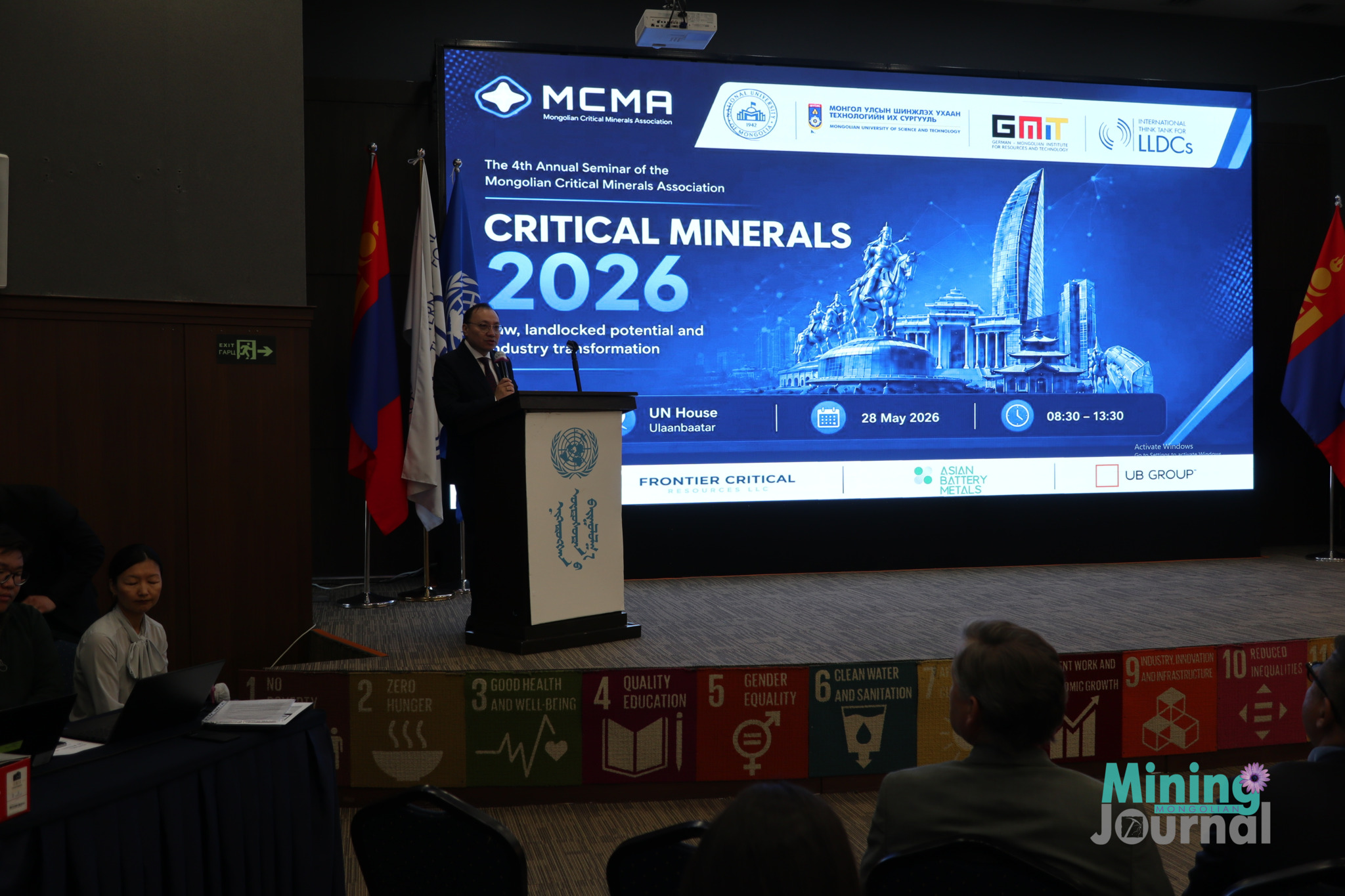
The 4th Annual Seminar of the Mongolian Critical Minerals Association (MCMA) was held on Thursday, 28 May 2026, under the theme “Critical Minerals: Law, Landlocked Potential and Industry Transformation.”
The seminar was jointly organised by the Mongolian Critical Minerals Association (MCMA), the National University of Mongolia (NUM), the Mongolian University of Science and Technology (MUST), the German-Mongolian Institute for Resources and Technology (GMIT), and the International Think Tank for Landlocked Developing Countries (ITTLLDC), in cooperation with UN Mongolia, relevant national partners, supporting members of MCMA and sponsors.
Held under the subtitle “From Roadmap to Implementation: Mongolia and Asian LLDCs in Critical Minerals Value Chains,” the seminar aimed to promote policy dialogue on Mongolia’s critical minerals development, cooperation among Asian landlocked developing countries (LLDCs), and practical approaches for advancing responsible critical industry transformation.
According to the organisers, the seminar was expected to generate a shared understanding of key legal, policy, regional cooperation and partnership priorities required to support Mongolia’s transition from critical minerals potential toward responsible, value-added critical industry development.
Opening remarks and greetings were delivered by Jaap van Hierden, UN Resident Coordinator in Mongolia representing UN Mongolia; D. Tsolmonbaatar, Vice-Rector for Research and Innovation at the Mongolian University of Science and Technology; and Dulguun Damdin-Od, Executive Director of the International Think Tank for Landlocked Developing Countries.
The seminar featured several main presentations focused on policy direction, regional cooperation and industry development pathways.
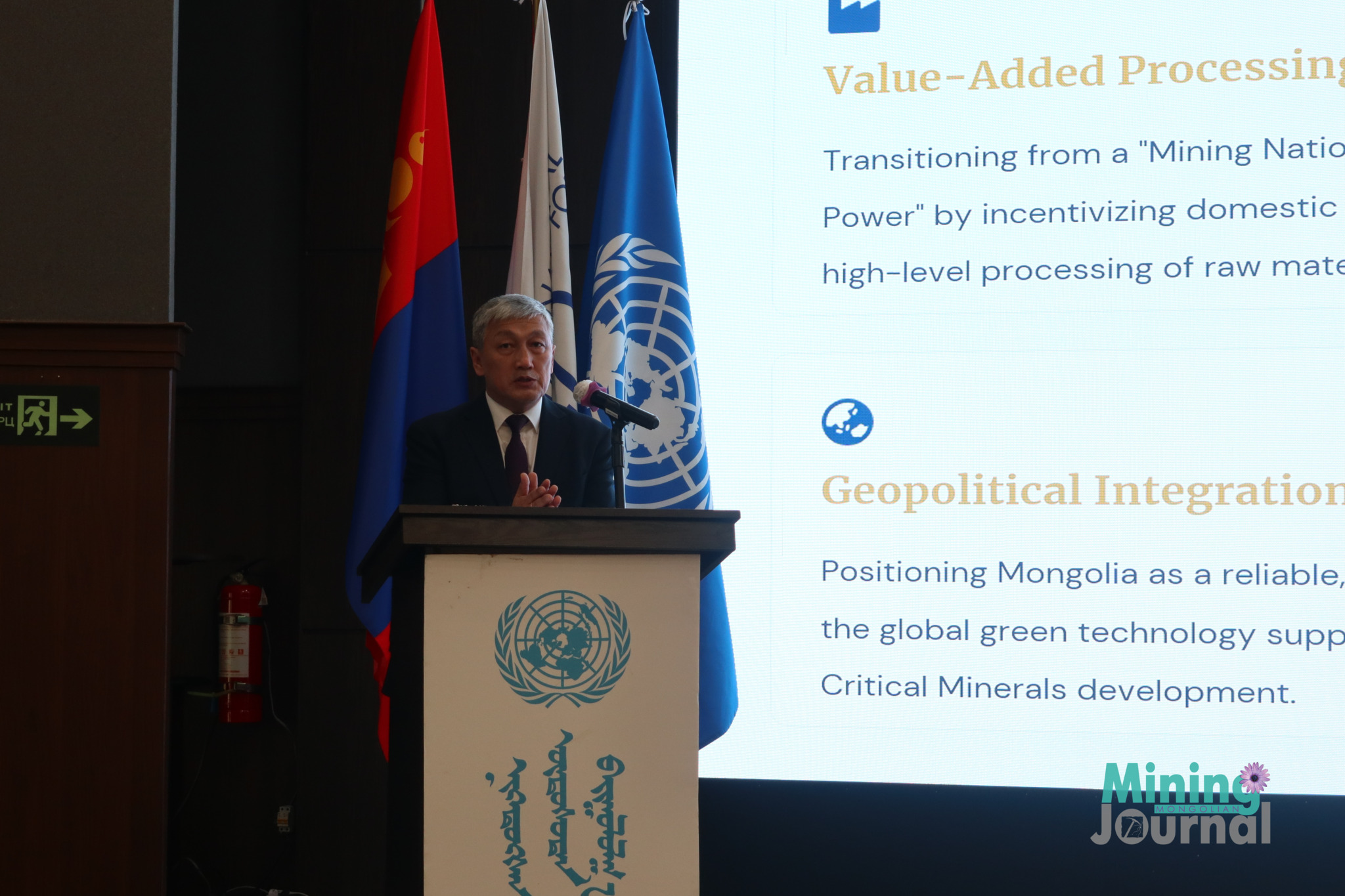
The first main presentation, titled “Minerals Law Update and Policy Direction for Critical Minerals Development in Mongolia,” was delivered by M. Mendbayar, Director of the Industrial Policy Department at the Ministry of Industry and Mineral Resources.
The second main presentation, “Asian LLDC Critical Minerals Potential and Regional Cooperation Pathways under the Awaza Programme of Action (2024–2034),” was presented by Surakhbayar Galsan, Board Member of MCMA, and Enkhzul Gonchigzeveg of ITTLLDC.
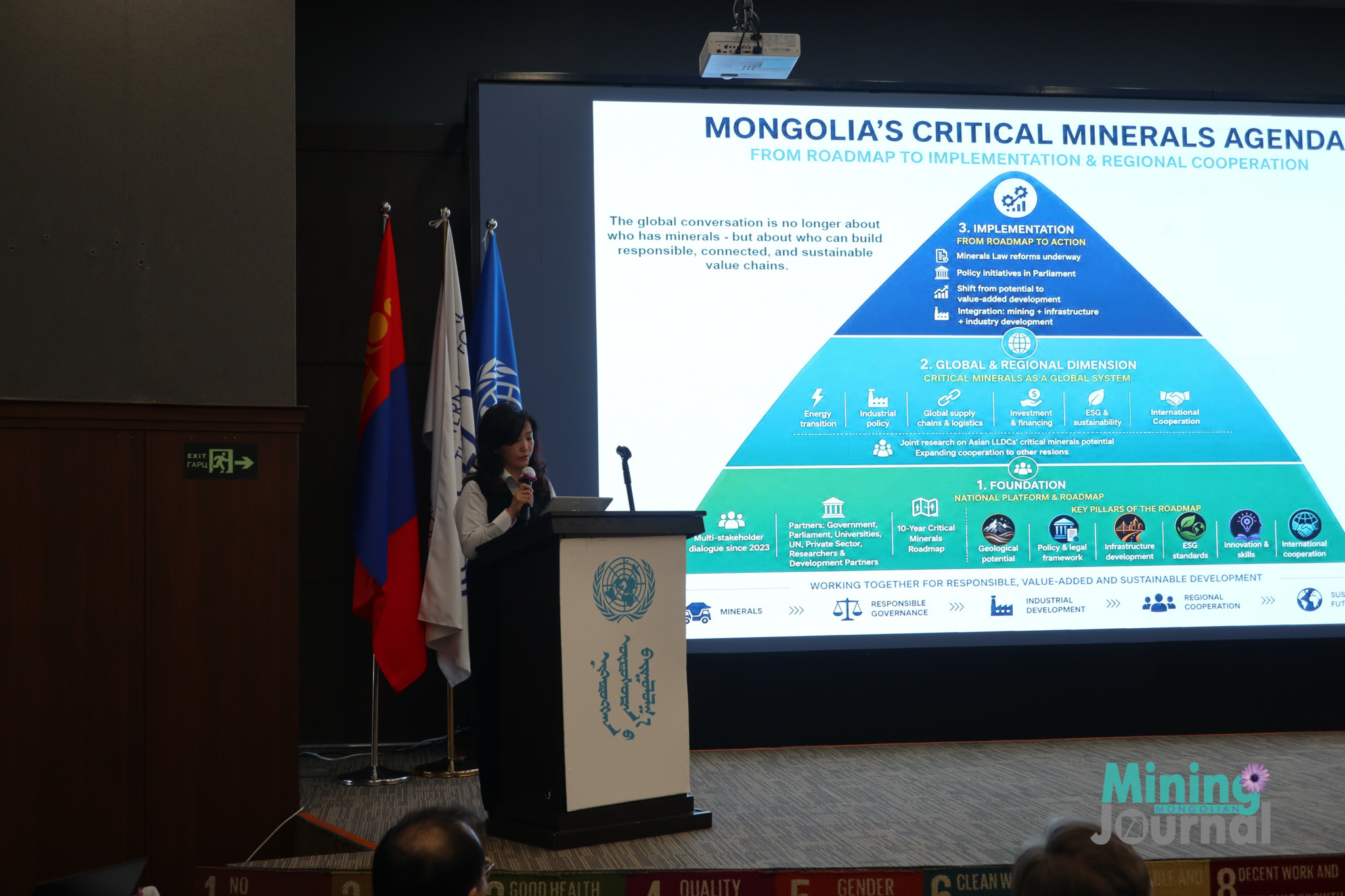
The third main presentation, “Mongolia's Critical Minerals Roadmap and Critical Industry Development Pathway,” was delivered by Dagva Myagmarsuren, Chair of the Board of MCMA.
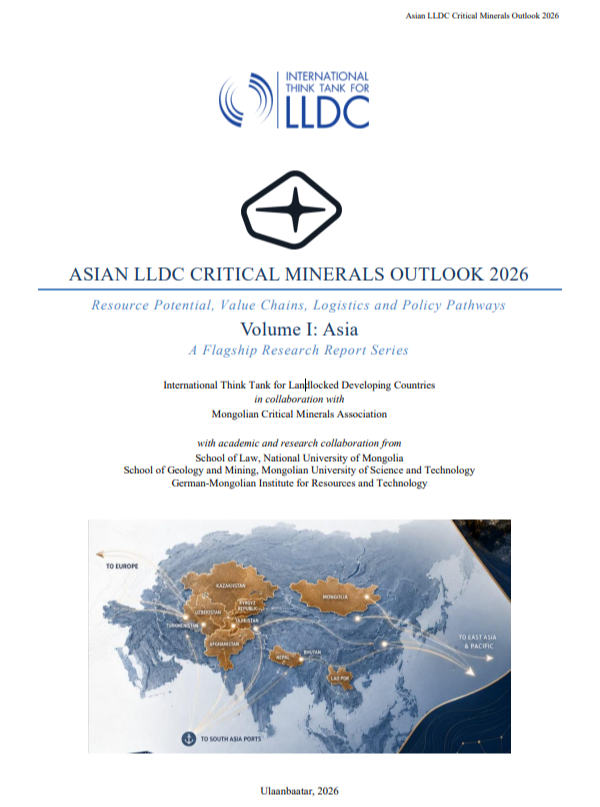
The “ASIAN LLDC CRITICAL MINERALS OUTLOOK 2026” was also published as a flagship research report titled “Resource Potential, Value Chains, Logistics and Policy Pathways – Volume I: Asia.” The report was produced by the International Think Tank for Landlocked Developing Countries in collaboration with the Mongolian Critical Minerals Association, with academic and research contributions from the School of Law at the National University of Mongolia, the School of Geology and Mining at the Mongolian University of Science and Technology, and the German-Mongolian Institute for Resources and Technology.