Эрдсийг эрдэнэст
Ирээдүйг өндөр хөгжилд
Ирээдүйг өндөр хөгжилд
Mining The Resources
Minding the future
Minding the future
By O. Dulguun
For centuries, trust has been placed in the hands of intermediaries. Banks, government institutions, notaries even trust between friends has traditionally depended on someone's guarantee or signature. But one day, technology detached the notion of "trust" from people and transformed it into code.
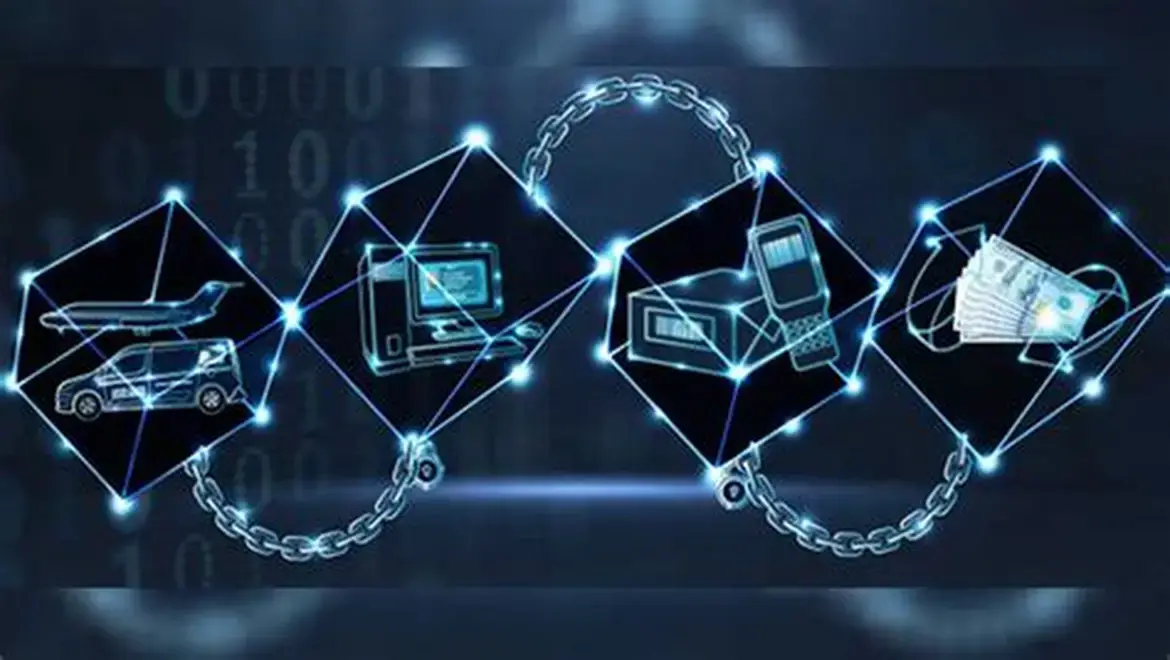
That technology is blockchain. It is not merely a system for storing data; it represents a new paradigm that protects the integrity of information while eliminating centralized control. Data is stored in small units called "blocks," each sequentially linked to the next. If one block is altered, the entire and it is this very design chain collapses that gives blockchain its defining power: immutability.
Today, blockchain extends far beyond Bitcoin and the world of cryptocurrencies. Banking transactions, land registration, energy distribution and even mining operations are now embracing this technology. The reason is simple: blockchain doesn't merely record numbers or code; it preserves verifiable records.
Take mining as an example. If a company integrates blockchain into its operations, every detail from the extraction site of a single ton of copper to the processing stages and final delivery can be recorded transparently and in an unalterable format. This creates a new, open economic language that inspires trust among from investors to local everyone involved communities.
THE TIME HAS COME TO SECURE TRUST WITH CODE
When Mongolian mining products enter the global market, the very first question that arises is: "Where did this come from?"
Today, that question is usually answered through paper certificates, manually prepared reports, and photocopies of licenses. Certificates of origin, customs records, and extraction reports all move through multiple bureaucratic layers a cumbersome system prone to human error and lacking transparency. In some cases, it even becomes the root of fraud, disputes, and regulatory violations.
As a result, the call for a more trustworthy system is growing louder across the industry. The most innovative and reliable solution to meet this demand lies in blockchain technology.
Blockchain is an advanced system that verifies and stores data not through a single centralized authority, but through multiple participants - in an immutable, tamper-proof form. Once information enters the network, no one can arbitrarily alter or delete it. This ensures that every detail from a product's origin and supply chain to contract terms, environmental performance, and labor conditions is recorded with full transparency and reliability.
Today, global mining leaders such as De Beers, BHP, and IBM are already using blockchain to bring transparency to the provenance, supply chains, and ESG (Environmental, Social, and Governance) data of products like diamonds, copper, and cobalt. This technological innovation secures the most valuable form of capital trust and directly contributes to the long-term sustainability of the entire industry.
The Key Features of This Technology:
1. Immutability: Once information is recorded in a block, it cannot be deleted or altered, ensuring data accuracy and reliability.
2. Transparency: All participants connected to the network can view and verify information, enhancing overall system transparency.
3. Decentralization: Data is not controlled by a single organization; instead, it is verified by multiple users. This reduces the risks of errors, fraud, and manipulation.
4. Automation: Smart contracts are self-executing agreements encoded on the blockchain. In simple terms: "If action A occurs, then action B automatically follows."
For example, in a coal purchase agreement, if it is stipulated that "payment will be transferred automatically once laboratory results are verified," the smart contract monitors this condition and executes the transaction instantly once it is met. By handling contracts, transportation, and payment verifications through smart contracts, the needs for intermediaries, banks, and certification costs are minimized. The transparent, automated system also lowers the likelihood of fraudulent agreements, delays, or disputes.
Mining operations have a significant environmental impact. Recording ESG (Environmental, Social, and Governance) reports, production standards, and labor conditions on the blockchain allows real- time monitoring. For instance, if a mining site logs water usage and waste output on the blockchain, relevant authorities and investors can verify this information transparently.
GLOBAL PRACTICES AND MONGOLIA'S CHALLENGES
Global examples of successful blockchain implementation demonstrate the real value of this system. De Beers, one of the world's largest diamond producers, has developed a blockchain platform called Tracr. This system records and stores all information from the moment a diamond is mined until it reaches the consumer. As a result, diamonds with fraudulent origins cannot enter the market, and consumers can fully verify the provenance of their purchases.
BHP records every stage of its operations from extraction to export - on the blockchain.
This transparency in contracts, supply chains, and product transportation significantly reduces disputes and discrepancies among stakeholders.
IBM has developed a blockchain system for the supply chains of strategic raw materials such as cobalt and nickel. By integrating mining information, transportation data, contracts, and environmental reports, the system enhances buyer confidence and lowers supply chain risks.
The MineHub project in Australia and Canada connects international mining companies, recording all data from extraction and processing to export on the blockchain. This unified system improves transparency across the sector and streamlines contracts, payments, and reporting.
Thus, blockchain is not just a new technology it is a pathway to a more transparent, fair, and globally competitive mining industry.
However, every technological revolution brings challenges, and blockchain is no exception. In Mongolia's mining sector, the main barriers to adoption are gaps in the legal framework, weaknesses in infrastructure, and a shortage of skilled human resources.
First, existing laws and regulations lack detailed provisions and standards for fully governing blockchain-based systems, creating uncertainty and legal risks for companies seeking adoption.
Second, infrastructure challenges persist. High-speed, reliable internet is limited in some regions, particularly at remote mining sites, making continuous blockchain operation difficult.
Third, there is a shortage of specialists to drive implementation. Skilled engineers and developers with expertise in blockchain, smart contracts, and information security are scarce in Mongolia. Therefore, preparing human resources and fostering international collaboration are critically important.
A TRANSPARENT FUTURE FOR THE MINING INDUSTRY
The first concrete step in this direction comes from the Mongolian National Chamber of Commerce and Industry (MNCCI). In May 2024, they announced plans to pilot blockchain technology for verifying Certificates of Origin (COO).
This initiative is being implemented in collaboration with the Asian Development Bank's Digital Training Lab and East Asia Department, leveraging an MVP (Minimum Viable Product) solution developed by Morpheus.Network. The system is designed to replace paper-based, delay-prone processes, record information in an immutable form, and establish trust among all participating stakeholders.
Blockchain is not merely the next stage of it is a new language technological revolution of trust, transparency, and accountability. Today, Mongolia's mining sector is not just a branch that extracts ore and exports wealth; it is a player that must meet the standards of trust and integrity across the global market.
Implementing this technology shifts the industry from "document-based verification" to a "data- trusted system," minimizing human error and mismanagement. It is a tangible step toward greater responsibility and sustainability. From origin and supply chains to contracts and ESG indicators, all information will be connected in a chain that serves as single, transparent chain a new copper vein of trust.
This path toward sustainable development marks the beginning of an era defined not by "digging resources" but by "building reputation."