Recent news
“RESOURCE NATIONALISM 2.0” IS AT OUR DOORSTEP
Over the past two decades, Mongolia's modern mining sector has evolved through a series of challenges, missteps, and achievements, reflecting the nation's ongoing effort to assert greater ownership over its natural resources. In this context, resource nationalism should not be viewed as a rigid ideology aimed at excluding foreign investment.
OYU TOLGOI NEGOTIATIONS AND G. ZANDANSHATAR’S MESSAGE
Amid the tense negotiations between the Government and the Rio Tinto Group over the Oyu Tolgoi Investment Agreement, Prime Minister G. Zandanshatar - who had been issuing firm demands to the investors - resigned at his own request.
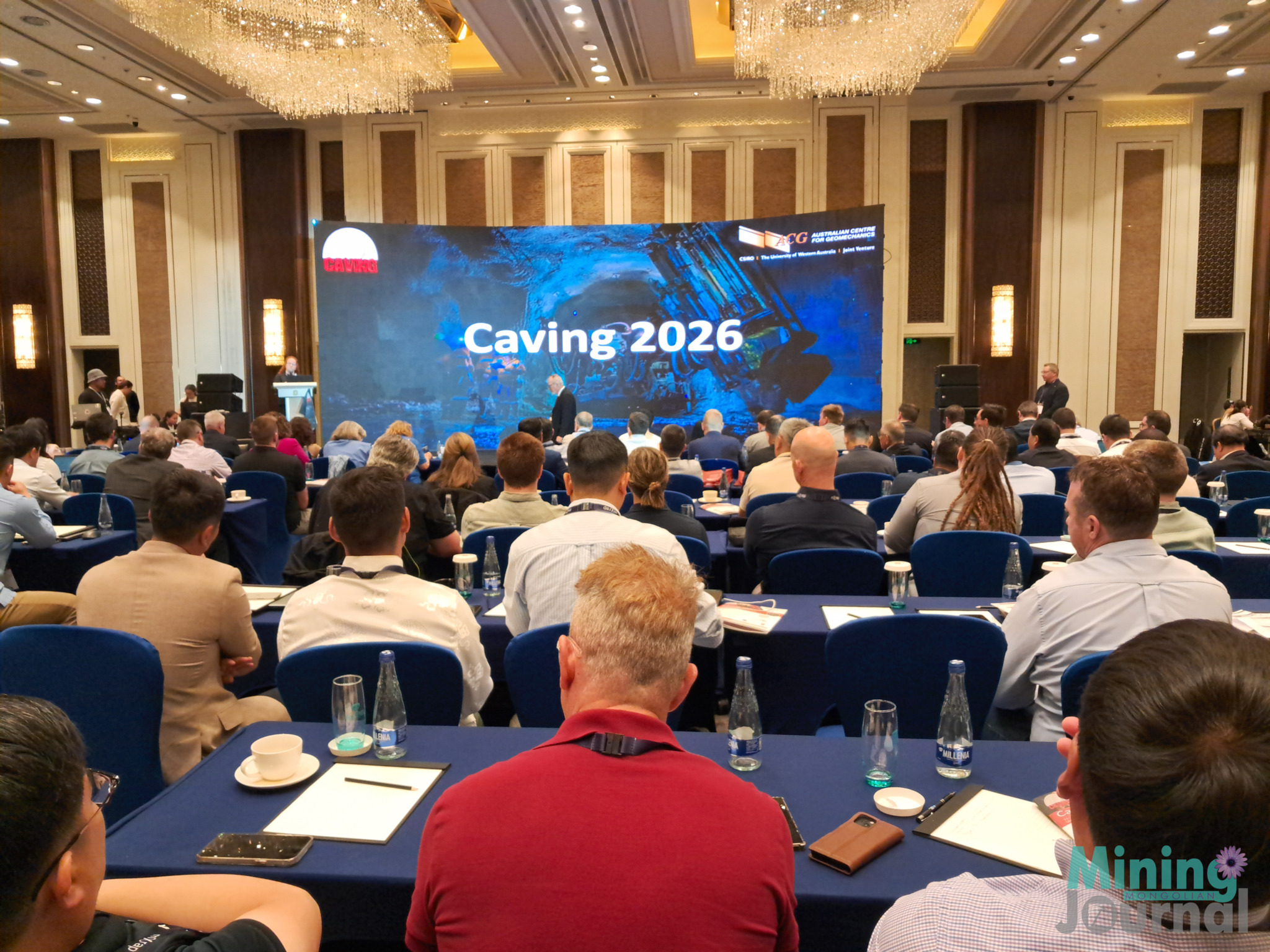
THE FIRST DAY OF ‘MONGOLIA MINING 2026’ CONCLUDED SUCCESSFULLY
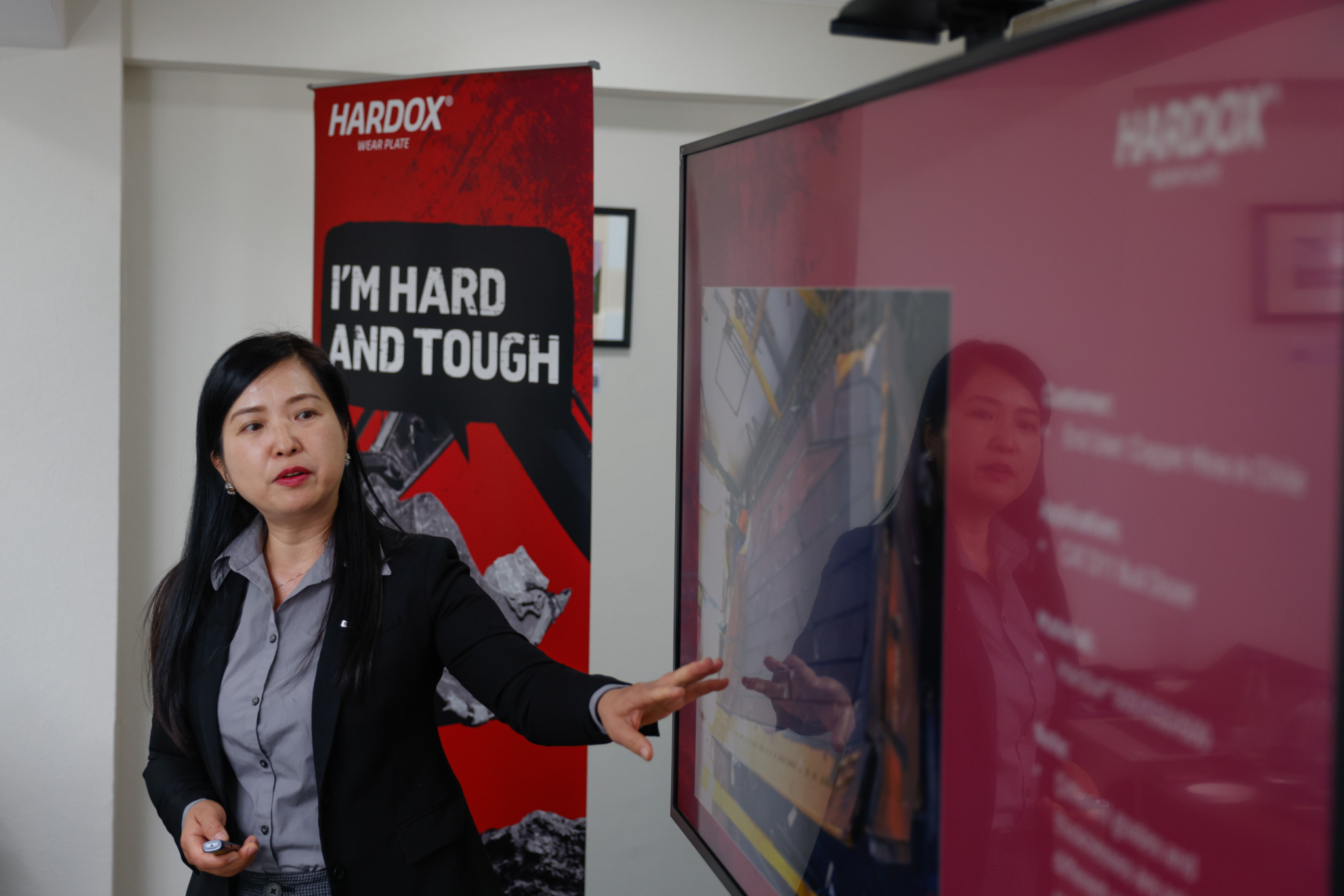
The “Mongolia Mining” International Exhibition, which brings together mining supply, investment, and the latest global advancements in equipment and technology on a single platform, was first organized in 2011. Today, it has grown into one of the largest and most prestigious events in the industry, with its 15th edition officially opening on April 15, 2026.
70–80% OF CROSS-BORDER RAILWAY CONSTRUCTION TO BE COMPLETED THIS YEAR
The construction of the cross-border railway connecting Gashuunsukhait and Ganqimaodu ports began in June 2025. This is the second cross-border railway to be built between Mongolia and China in 70 years, following the Zamiin-Uud-Erenhot railway established under the 1955 agreement between the two countries.
THE “MONGOLIA MINERAL EXPLORATION ROUNDUP 2026” WAS SUCCESSFULLY HELD
As one of the most significant events in Mongolia’s mineral resources and mining sector, the 17th “Mongolia Mineral Exploration RoundUp 2026” (MMER) concluded successfully. The main plenary session of the conference was delivered by G. Damdinnyam, the Minister of Industry and Mineral Resources.
THE NEW ERA OF CRITICAL MINERALS: BRINGING NATIONS TO THE SAME TABLE
Representatives from 54 countries across Asia, Africa, North America, and the Pacific region, as well as delegates from the European Union, participated in the Inaugural Critical Minerals Ministerial organized by the U.S. Department of State on February 4. Mongolia's inclusion in the delegation demonstrates that it is contributing its views and joining as a genuine stakeholder in a new global dialogue on strategic raw materials.
GREEN REPORTING IN THE MONGOLIAN MINING SECTOR DOES NOT TELL THE FULL STORY
On paper, green mining appears to be thriving; on the ground, however, significant challenges remain. As international ESG (Environmental, Social, and Governance) standards take root in Mongolia's Gobi Desert, an urgent question arises: how are companies balancing the water levels of herders' wells, the natural flow of sacred rivers, and the demands of economic efficiency?
GLOBAL ECONOMIC OUTLOOK FOR 2026: IMPLICATIONS FOR MONGOLIA
The global economy entered 2026 like a ship navigating strong headwinds. A convergence of pressures - including geopolitical tensions, uncertainty over the trade policies of major powers, and rising global debt - continues to weigh on economic prospects.
COAL EXPANSION AND GREEN POLICY
Mongolia is widely recognized as a major supplier of raw materials to the global market, particularly coking coal, copper, and cashmere. In fact, it can be said that these three sectors have firmly inscribed the name "Mongolia" onto the global value chain. Among them, coal deserves special attention. We are living in a time when we have reason to be grateful for our coal resources.
A SOLUTION TO BOOSTING REAL INCOME: THE BORTEEG DEPOSIT
Industry representatives have noted that, as climate change policies gain momentum worldwide, coal demand and prices are expected to decline after 2030. In response, many countries are pursuing policies over the next five years to bring their coal deposits into commercial development and fully tap their export potential, aiming to maintain stable economic returns, revenues, and profits.
WILL MONGOLIA JOIN THE GLOBAL HIGH-TECH VALUE CHAIN THROUGH RARE EARTH ELEMENTS?
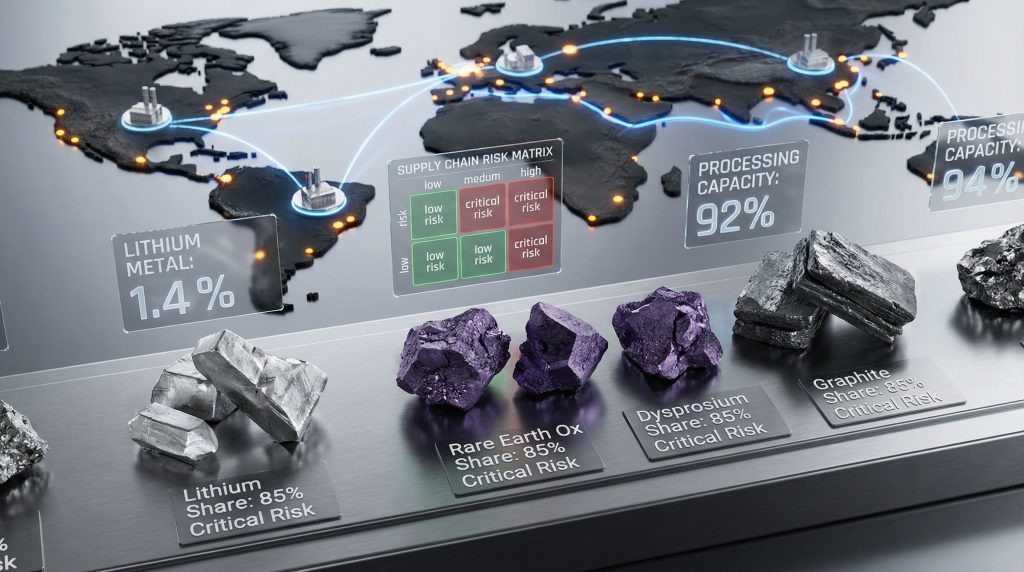
As the world approaches the twin turning points of the energy transition and the Fourth Industrial Revolution, rare earth elements (REEs) have evolved far beyond their place on the periodic table. They are now a strategic asset-often described as a technological "weapon" - shaping national security, industrial and technological competitiveness, and technological sovereignty.
THE GOVERNMENT TO INTENSIFY NEGOTIATIONS WITH RIO TINTO ON INCREASING THE RETURNS OF THE OYU TOLGOI PROJECT
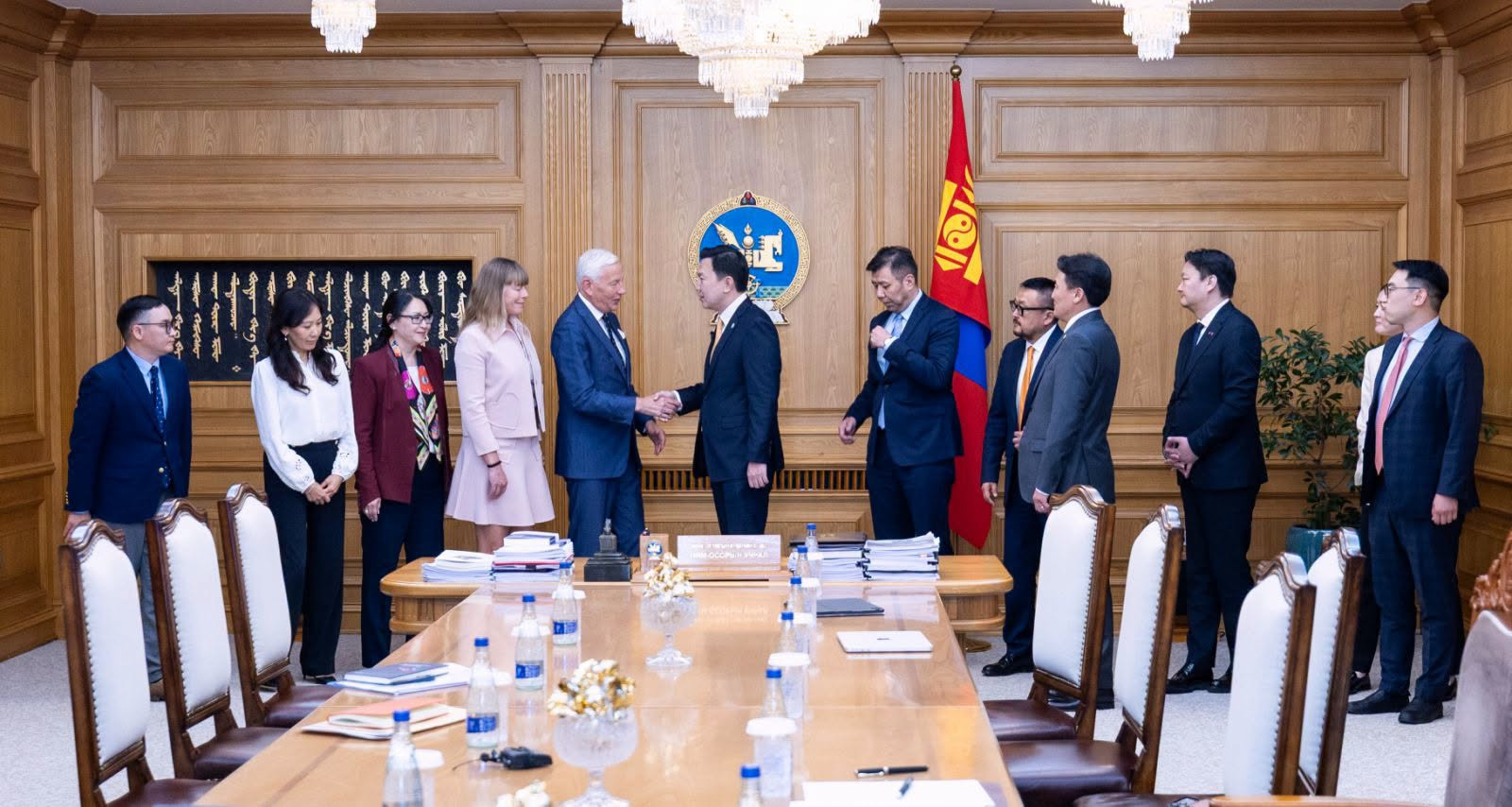
On Thursday, February 12, 2026, H. Amarjargal, Country Director of Rio Tinto in Mongolia; S. Munkhsukh, Chief Executive Officer of Oyu Tolgoi LLC; B. Dulamsuren, Chief Financial Officer; and Andrew Laya, Chief Operating Officer, met with the Prime Minister of Mongolia, G. Zandanshatar, and formally delivered the response letter from Katie Jackson, Chief Executive of Rio Tinto Copper.
RE-NEGOTIATING AROUND OYU TOLGOI TO ENABLE GREATER MUTUAL BENEFITS
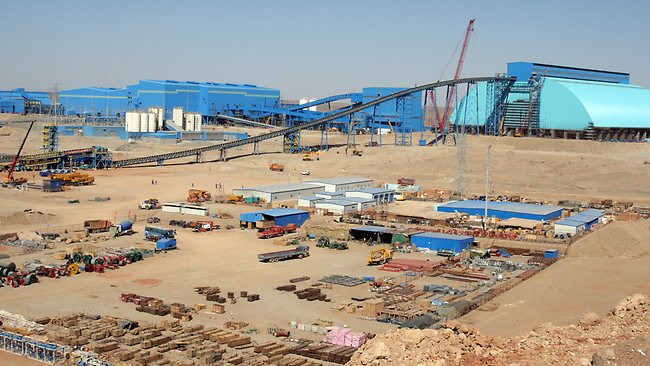
As Oyu Tolgoi, one of the world's largest copper mines with the potential to rank among the top three globally, approaches peak production, the government is entering negotiations with Rio Tinto. Under their existing agreement, negotiations are stipulated every seven years, and this round of negotiations is particularly important. It aims not only to enhance Mongolia's returns from Oyu Tolgoi but also to resolve issues related to Entrée Resources.